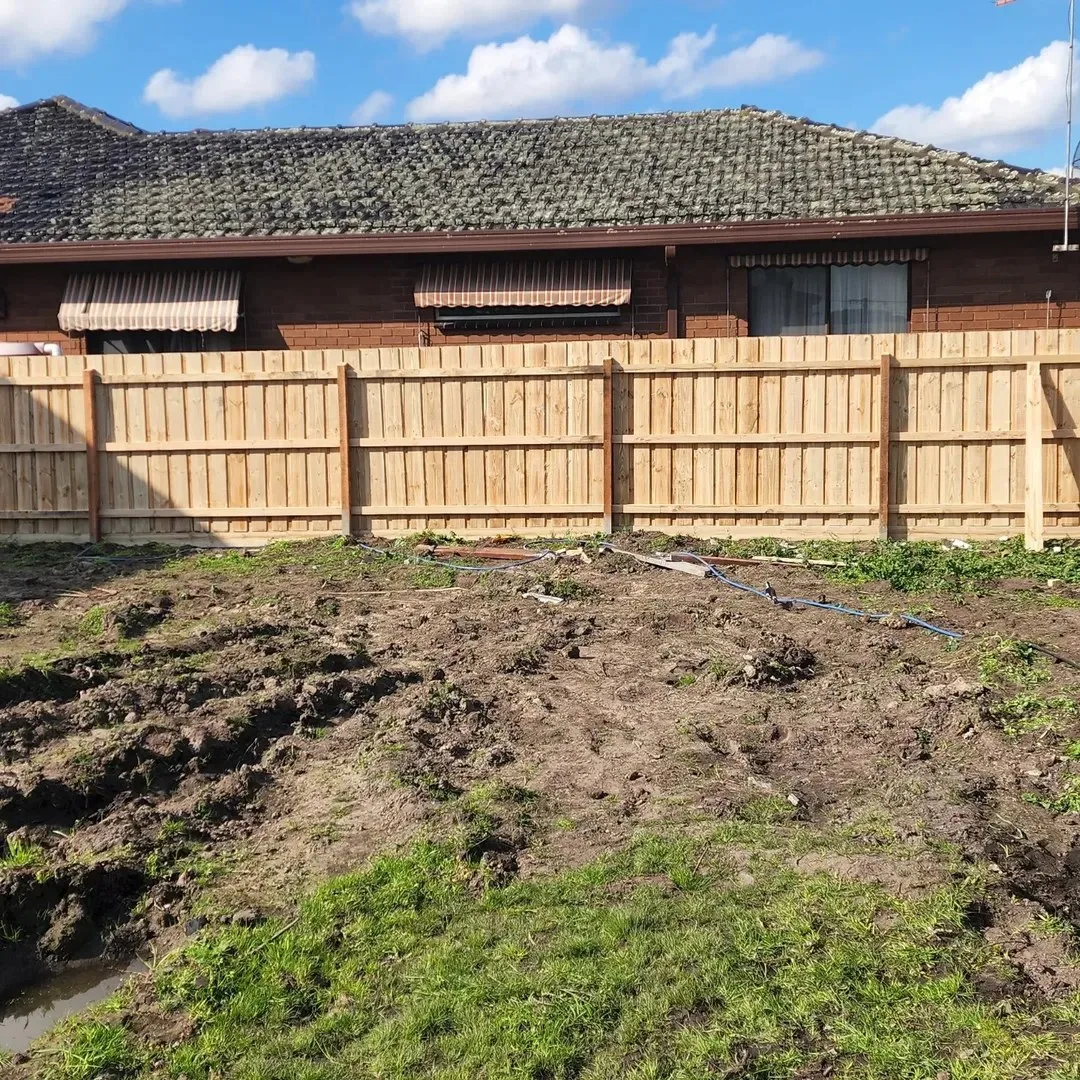
Reviewed: 12 August 2026. No single supported lifespan applies to every timber fence. Treatment, detailing, drainage, exposure and maintenance control the result.
Timber fences often fail as a chain: a wet post softens at ground level, movement opens rail fixings, the frame leans, and palings split or detach. Selecting the right treatment class is essential, but keeping water and soil away from components that should be above ground is equally important.
Treatment classes have different jobs
| Component | Common NZ guidance | Detail to verify |
|---|---|---|
| Fence palings | H3.2 treated radiata is commonly specified for exterior above-ground use | Cut ends, thickness, ground clearance and coating |
| Rails | H3.2 is commonly used above ground | Water traps, end grain and rail-to-post fixing |
| Fence posts | H4 is commonly specified for ground contact | Post size, verified treatment mark and foundation drainage |
BRANZ and NZ timber-preservation guidance distinguish H3.2 above-ground exposure from H4 ground contact. Confirm the treatment mark and intended use; do not assume colour alone proves treatment.
Details that extend useful service
- Keep palings and rails clear of soil, mulch and persistent leaf litter.
- Avoid irrigation spraying the same section every day.
- Seal or treat site cuts according to the timber supplier’s instructions.
- Use fixings suitable for treated timber and the site exposure.
- Cap or detail horizontal surfaces so water does not remain trapped.
- Maintain paint or stain if the chosen appearance and system depend on it.
Annual condition check
Probe posts at the ground line, push each bay for movement, inspect rail ends and fixings, look for palings touching soil, and operate gates through their full swing. A loose paling is a small repair; multiple moving posts or widespread soft rails indicate that the structural frame is reaching the end of its useful service.
Repair strategically
Replacing boards without correcting ground contact or a leaking irrigation line repeats the cause. A post repair should also check adjoining rails and alignment. If repeated repairs are moving along the same run, compare the remaining-frame condition with a section replacement using the repair-versus-replacement guide.
For construction choices, see Timber Fencing Auckland. The timber materials calculator estimates posts, rails and palings, while the timber cost page explains how specification changes the installed range.
Technical references: BRANZ Build timber treatment; NZ Timber Preservation Council hazard classes.
Why an exact lifespan is misleading
Timber species, treatment penetration, ground moisture, post section, cut ends, fixings, construction, coating and maintenance interact. Two fences made from similarly described treated pine can age differently because one drains and dries while the other traps wet soil and vegetation at the ground line. Use condition indicators and a maintenance plan rather than a guaranteed number of years.
Treatment classes in a typical fence
BRANZ and the NZ Timber Preservation Council identify H4 treatment for common fence posts in ground contact and H3.2 for weather-exposed above-ground rails and palings. Verify stamps/records and supplier instructions. Treatment reduces decay risk for the intended exposure; it does not prevent splitting, movement, fastener corrosion or structural overload.
The vulnerable ground line
Posts commonly deteriorate where air, moisture and soil meet. Avoid trapping mulch, concrete lips or dense vegetation against timber. Detail footings and surface water so the area can drain. A post that moves under hand pressure, a widening lean or softness at ground level deserves investigation even when boards still look acceptable.
Inspection by component
| Component | Look for |
|---|---|
| Posts | Ground-line softness, rotation, split tops and failed footing |
| Rails | Sag, decay at joints, loose fixings and trapped debris |
| Palings | Cupping, splits, bottom contact and failed coating |
| Fixings | Rust staining, withdrawal and incompatibility with treatment |
| Gate | Post movement, hinge wear and latch misalignment |
Paint, stain or deliberate weathering
Paint can provide an opaque protective finish but requires sound preparation when it eventually peels or chalks. Penetrating stain is easier to renew but usually needs more frequent attention. Uncoated timber still needs inspection and will change colour. Follow the coating manufacturer’s preparation, moisture and recoat instructions.
Repair isolated boards or hardware where posts and rails remain sound. When failures repeat across multiple posts, use the repair-versus-replacement assessment. Price a replacement specification through Timber Fence Cost Auckland.
Sources: BRANZ timber treatment; NZTPC treatment classes; Resene fence preparation and maintenance.