Fencing Act 1978 explained
The Act addresses adequate dividing fences, notices, objections, cost sharing and disputes. Equal contribution is not an automatic blank cheque for any chosen fence.
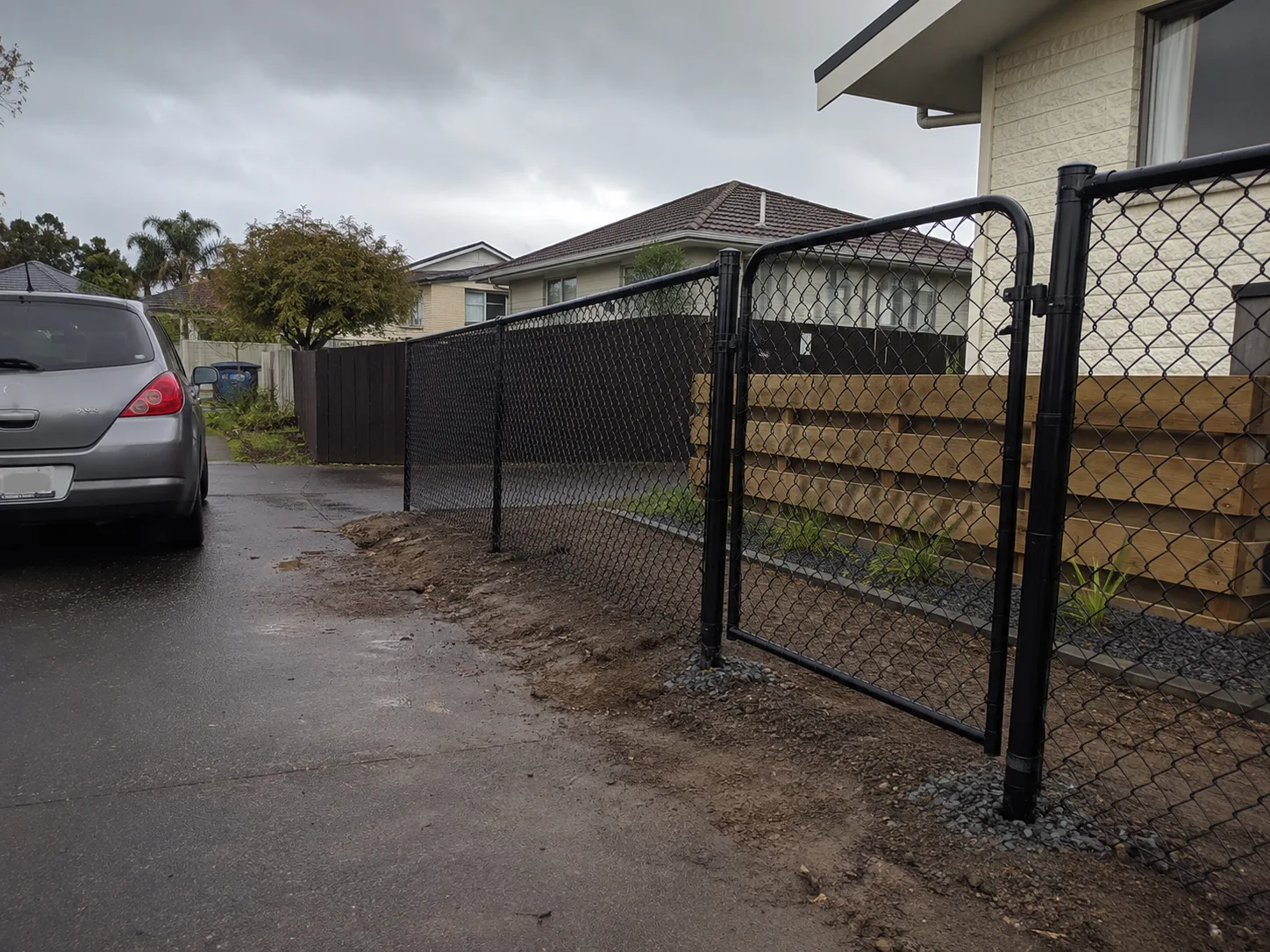
Last reviewed: 2026-08-12. Based on the Fencing Act 1978 latest version shown as at 24 January 2026. This is not legal advice.
The Fencing Act provides a framework for agreements, adequate dividing fences, contribution, notices, objections, urgent work, damage and disputes. It does not say that every neighbour must pay half of any fence one party chooses.
Sections that matter to a typical project
| Section | Practical subject |
|---|---|
| 8 | Fence encroachment |
| 9 | Contribution to an adequate dividing fence |
| 9A | Extra work required because of a residential pool |
| 10 | Notice content and limits on premature work |
| 11–15 | Objections, service, differences and changes of occupier |
| 16–18 | Urgent work, damage and taking advantage of a fence |
| 24/24A | Court and Disputes Tribunal jurisdiction |
Contribution is tied to adequacy
Section 9’s equal-proportion starting point applies subject to the Act and orders. An adequate fence is one reasonably satisfactory for its purpose. Separate a base adequate specification from premium height, decorative materials, stain or security upgrades.
Notice is a technical document
Section 10 requires identification of the line and sufficient description of work/materials to understand the nature and estimate cost. State a different proposed cost split if applicable. Preserve proof of service. The section also limits contribution for work done before notice/response steps are complete, except as provided by section 16.
Use the Act with other rules
The Act does not replace cadastral survey, Auckland planning, building consent, pool safety, title covenants or contract law. Resolve each layer with the appropriate source/professional.
For a live project, follow the neighbour process timeline and cost responsibility scenarios. Measure the legal line separately from the physical run.
Primary source
Read the current Fencing Act 1978 and schedules on New Zealand Legislation.
The Act is a process, not an automatic 50/50 invoice
The Fencing Act 1978 provides a framework for adjoining occupiers, fencing notices, cross-notices, adequate fences and contribution. The outcome depends on the facts, the proposed fence and the statutory process. Starting work unilaterally can weaken a contribution claim except where urgent or otherwise permitted.
Practical sequence
- Confirm the affected boundary and the parties with an interest in it.
- Describe the proposed work, alignment, materials, cost estimate, contribution and timing in a fencing notice.
- Allow the statutory response period and retain proof of service.
- If a cross-notice or objection arrives, resolve scope before building or seek appropriate legal/tribunal advice.
- Keep contracts, variations, invoices and payment records.
“Adequate fence” is context-sensitive
Adequacy can depend on land use, locality, existing fence and the Schedule 2 examples; those examples are not a universal engineering specification for every modern site. A premium architectural upgrade may exceed what is reasonably required, so separate the adequate shared component from elective upgrades in negotiations.
Situations needing careful advice
Survey disagreement, tenants or multiple owners, urgent damage, retaining walls, encroachment, trees, access and recovery of historical costs can complicate the standard path. This page is general information, not legal advice. Read who pays and neighbour dispute steps.
Primary legislation: Fencing Act 1978 (latest version). Check the current text and obtain professional advice for a live dispute.