Pricing checked: 12 August 2026. All figures are planning ranges in NZD, not quotations. Confirm GST, removal, gates, finish and site work in writing.
A per-metre rate is useful for comparing fence systems, but it is not the total project price. Auckland residential systems in the current dataset range from about $95 per lineal metre for straightforward chain-link to $650 per metre at the upper end of frameless glass pool work. The gap is not simply “cheap versus expensive material”: height, foundations, gate openings, access and demolition change the installed scope.
What “per lineal metre” means
A lineal metre measures length along the fence line. It does not measure surface area. A 1.2 m-high fence and a 2 m-high fence can have the same lineal length while using very different quantities and carrying different wind loads. Gate openings also belong in the project length schedule, but should be priced as gates rather than silently charged as ordinary infill.
| System | Low | Typical | High | Key assumption |
|---|---|---|---|---|
| Timber paling | $150/m | $205/m | $270/m | Typical 1.8 m treated-pine fence, accessible ground |
| Coated-steel privacy | $170/m | $230/m | $300/m | Standard panel system; exposure and stepping checked separately |
| Residential aluminium | $180/m | $275/m | $380/m | Simple panel or slat system rather than dense custom fabrication |
| PVC | $220/m | $310/m | $430/m | Modular system; freight, gates and difficult terrain excluded |
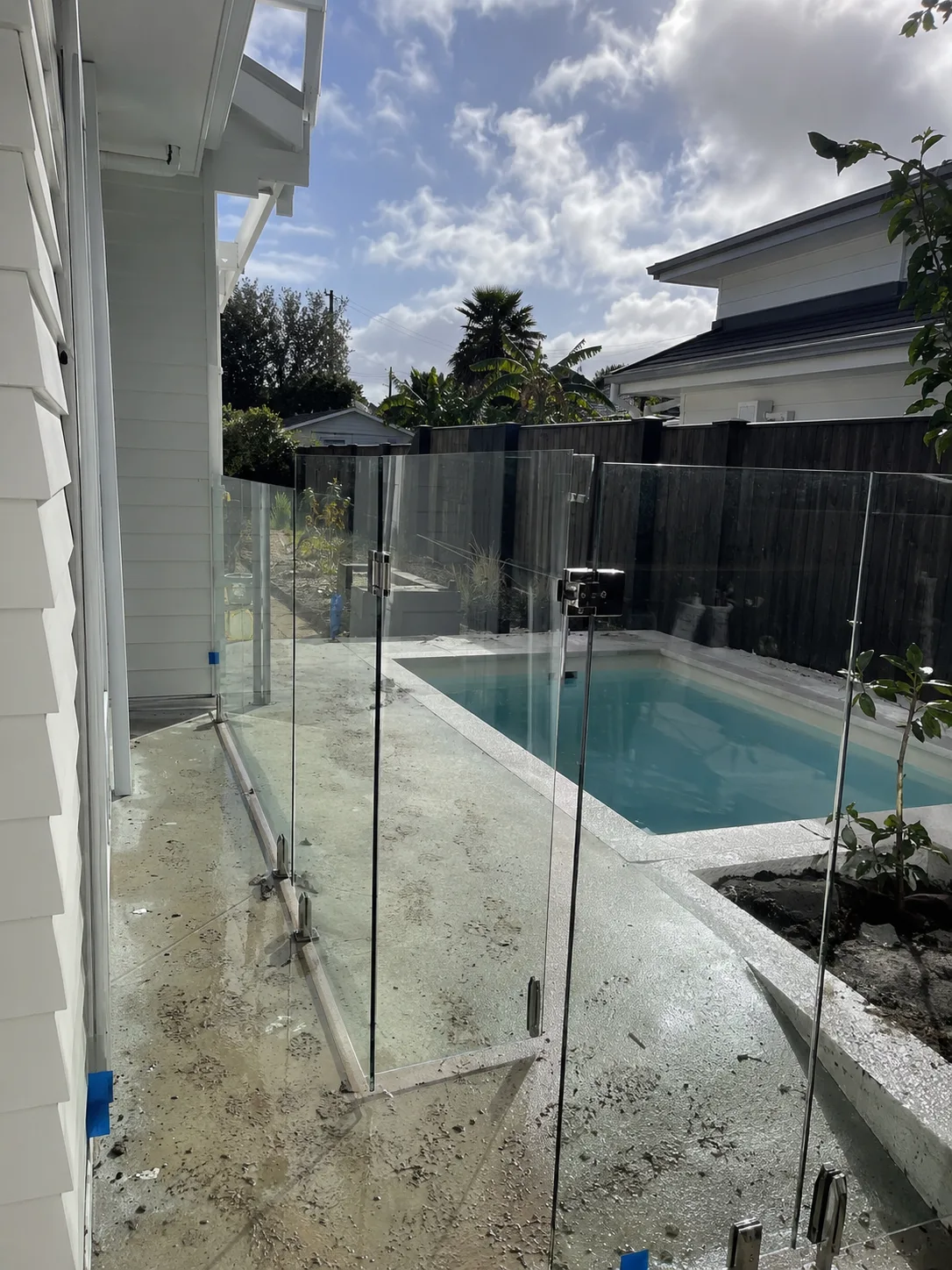
| Frameless glass pool | $350/m | $485/m | $650/m | Gate, engineered substrate and documentation treated separately |
Turn a rate into a project allowance
Use four lines: fence infill, openings, removal and site-specific work. For an illustrative 17.5 m timber boundary, the typical infill allowance is 17.5 × $205 = $3,587.50. Add one typical pedestrian gate at $900 and the subtotal becomes $4,487.50. If an old fence needs removal, restricted access or concrete breakout, add those as separate scope items instead of hiding them inside an inflated metre rate.
This method also explains why a short job can look expensive per metre. Travel, set-up, service locating, an auger, material delivery and a gate post pair are fixed or semi-fixed costs. Spread over eight metres, they have a larger effect than when spread over forty metres.
What a comparable quote should say
- Measured length and height for every run.
- Post, rail, panel or paling specification and treatment/coating.
- Number, clear opening and hardware specification for each gate.
- Whether demolition, concrete removal, spoil and disposal are included.
- How slope, rock, roots, buried services and restricted access are handled.
- Painting, staining, cut-edge treatment and coastal maintenance obligations.
- GST status, exclusions, provisional sums and consent responsibilities.
For a complete scope model, use the Auckland fence cost calculator. Then compare the result with the system-specific pages in the cost guide hub and send the same measured brief to contractors through the quote request form.
Price records and assumptions: Auckland Fencing pricing methodology.
Separate variable and fixed costs
A per-metre rate represents the repeating fence run. Mobilisation, delivery, gate fabrication, consent/design, demolition setup and minimum disposal charges are fixed or stepped costs. That is why a 9 m side fence can cost more per metre than a 45 m straight boundary even with the same timber specification.
A better project formula
Net fence length × appropriate run rate + gates + removal + finish + access/ground allowances + compliance/design = planning total. The net length excludes gate openings, but a contractor may price posts and transitions around each opening separately.
| System | Structured range | Unit warning |
|---|---|---|
| Timber paling | $150–$270/m | Finish, removal and gates excluded |
| Coated steel | $170–$300/m | Product/exposure specification matters |
| Residential aluminium | $180–$380/m | Dense slats and fabrication can exceed range |
| PVC | $220–$430/m | Validate with current supplier quotes |
| Chain-link | $95–$210/m | Long straight runs price differently from short/gated work |
Illustrative 17.5 metre calculation
For a straightforward timber run, 17.5 × $205 gives $3,587.50. Add a pedestrian gate at the structured $900 midpoint and the working subtotal becomes $4,487.50. Demolition, paint/stain, slope and difficult excavation remain separate. Label this an illustrative planning model; timber quantities and a real quotation will use whole components and actual site conditions.
Why published rates disagree
Public Auckland guides differ on GST, fence height, material grade, contractor overhead, demolition and whether the number is supply-only or installed. A broad range is evidence of scope variation, not proof that one source is wrong. Use the site’s pricing methodology and detailed cost pages to see assumptions.
When not to use a metre rate
Use item or project pricing for repairs, automated gates, very short work, retaining-connected fencing, bespoke fabrication and commercial security systems. On these projects the moving parts, foundations, mobilisation or design can dominate the ordinary run.
Enter length, type, height, replacement, removal, slope, access, corners, gates and finish in the Auckland fence cost calculator. Save the assumptions with the quote request so contractors are not asked to price different projects.
Structured ranges were checked 12 August 2026 against the source URL stored for each material. They are planning aids and do not represent a fixed Auckland tariff.